
Rising electricity costs are pushing households to rethink how power is generated, stored, and used at home. Monthly bills feel increasingly unpredictable—especially during peak seasons—while outages and rate changes add further financial uncertainty. Expanding home power options through solar, storage, and smarter usage gives homeowners more control over both reliability and expenses. This article explores practical, financially realistic ways to diversify your home’s energy and reduce long-term costs.
1. Cut Reliance on Expensive Grid Power
Electricity rates often vary depending on time of use and overall demand, which means households may unknowingly consume power when it is most expensive. By adding solar panels or a battery backup for home use, it becomes possible to reduce dependence on high-cost grid electricity. Generating or storing energy locally allows households to use self-produced power during peak hours, lowering overall bills. Even partial offsetting of grid usage can produce noticeable savings over the course of a year. Additionally, reduced reliance on the grid offers protection against sudden rate increases that may otherwise strain monthly budgets. Over time, controlling more of one’s own energy supply transforms electricity from a fixed expense into a manageable resource.
2. Prevent Costly Food and Medication Loss
Power interruptions do more than cause inconvenience; they can quickly result in financial losses inside the refrigerator and medicine cabinet. Groceries purchased for the week and temperature-sensitive medications depend entirely on consistent electricity. A single extended outage can lead to hundreds of dollars in spoiled food and compromised supplies. Investing in backup solutions helps protect both health and household budgets. Preventing even one major loss can justify the cost of energy storage systems. Financial resilience often begins with safeguarding what is already paid for.
One Spoiled Fridge Can Cost Hundreds
A fully stocked refrigerator and freezer commonly hold several hundred dollars’ worth of food. Fresh meat, seafood, dairy products, frozen items, and prepared meals can all become unsafe within hours if temperatures rise too high. Replacing these groceries not only costs money but also time spent shopping and restocking. During warm weather, food spoilage accelerates even faster, increasing risk and waste. Households with children or special dietary needs may experience even greater losses. Recognizing the real monetary value inside a refrigerator highlights why reliable backup planning is financially sensible.
Backup Power Pays for Itself in One Outage
A well-designed battery backup for home systems can prevent food spoilage, keep medical equipment running, and maintain communication devices during outages. When the cost of replacing groceries and temperature-sensitive medications is compared to the price of backup equipment, the financial logic becomes clear. Even a single multi-day outage can offset a significant portion of the initial investment. Beyond immediate savings, backup power reduces stress and prevents emergency purchases at premium prices. Over several years, avoiding losses adds up to substantial financial protection. Reliability, in this context, becomes a form of long-term savings rather than an optional luxury.
3. Shift Usage to Cheaper Hours
Many utility providers charge different rates depending on when electricity is used. Peak pricing typically occurs during late afternoon and evening when demand is highest. Shifting energy consumption to lower-cost hours can significantly reduce monthly bills without reducing comfort. Smart appliances, timers, and energy storage systems make this adjustment easier than ever. Instead of changing lifestyle habits dramatically, households can automate when certain appliances operate. Strategic timing turns energy efficiency into a practical routine rather than a complicated task.
Run Appliances When Rates Are Lowest
Large appliances such as dishwashers, washing machines, and electric vehicle chargers consume significant amounts of electricity. Scheduling these devices to operate during off-peak hours lowers the average cost per kilowatt-hour. Many modern appliances include delay-start features that allow automatic operation at night. Running high-consumption equipment outside peak windows reduces overall strain on the grid and lowers monthly bills. Even small timing adjustments can accumulate into meaningful savings over time. Awareness of rate schedules empowers households to use electricity more strategically.
Batteries Let You Use Stored Power Anytime
Energy storage systems allow households to store electricity when rates are low and use it when prices rise. This approach provides flexibility without sacrificing convenience. Stored solar or off-peak grid energy can power lighting, appliances, and electronics during expensive peak hours. Over time, this shift flattens overall energy costs and reduces exposure to price spikes. A battery backup for home use also provides added resilience during outages, creating dual financial benefits. The combination of flexibility and reliability strengthens overall energy efficiency.
4. Capture Tax Credits and Rebates
Many regions offer financial incentives for installing renewable energy systems and energy storage solutions. These incentives may include tax credits, rebates, or performance-based benefits that lower upfront costs. By taking advantage of such programs, homeowners reduce the payback period of their investments. Incentives effectively lower the barrier to entry for solar panels and battery systems. Careful research and consultation with certified installers help maximize available benefits. Financial support programs make energy independence more attainable and economically practical.
5. Boost Home Resale Value
Modern homebuyers increasingly evaluate energy features when considering a purchase. Efficient systems, renewable installations, and backup solutions signal lower long-term costs and improved resilience. Properties equipped with advanced energy options often stand out in competitive markets. Energy upgrades can therefore serve as both immediate savings tools and long-term investments. Buyers frequently appreciate homes that already include practical, forward-thinking infrastructure. Expanding home power options adds value beyond simple utility savings.
Energy Features Attract Today’s Buyers
Energy-conscious buyers often calculate expected utility expenses before making an offer. Homes with solar panels or integrated storage systems demonstrate reduced reliance on traditional grid power. Visible energy upgrades suggest thoughtful maintenance and long-term planning. Buyers may also appreciate the environmental and financial advantages associated with energy-efficient homes. As awareness of energy costs grows, demand for such features continues to increase. Well-documented energy improvements can therefore enhance both marketability and final sale price.
Backup Power Adds to Property Appeal
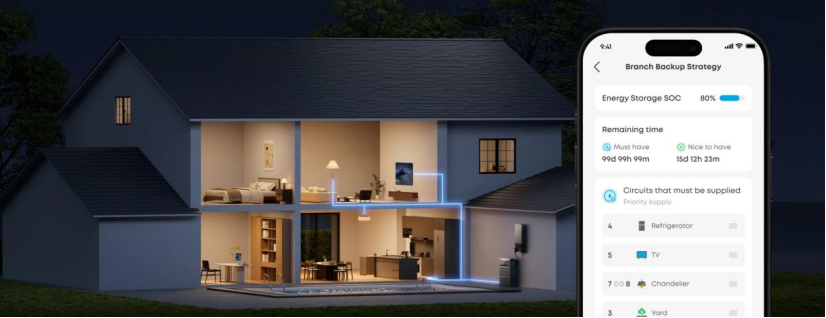
Reliable backup systems provide reassurance that essential appliances will continue operating during unexpected outages. A system such as the Anker SOLIX E10, capable of delivering up to 7.6 kW of continuous output, can support key circuits like refrigeration and heating equipment without interruption. Its ability to prioritize essential loads automatically makes the feature feel practical rather than complex, which appeals to buyers seeking convenience. Rather than viewing backup power as an emergency-only tool, many prospective homeowners now see it as part of modern infrastructure. The presence of a thoughtfully integrated system strengthens the perception of durability and preparedness. As a result, backup capability becomes a tangible selling point rather than an optional add-on.

Conclusion
Expanding home power options offers more than technological novelty; it provides measurable financial advantages. Reducing reliance on high-cost grid electricity, preventing spoilage losses, and shifting usage to cheaper hours all contribute to lower long-term expenses. Incentives and rebates further improve the return on investment for solar and battery systems. Backup capabilities enhance property value while protecting daily life from disruption. By approaching home energy as a controllable resource rather than a fixed expense, households gain both savings and stability. Careful planning and thoughtful upgrades transform energy management into a practical strategy for long-term financial resilience.