

Introduction
Choosing the best camera as a beginner photographer jumpstarts your photographic adventure. With numerous options available, identifying a model that fits your specific needs is vital. Whether you are interested in portraits, landscapes, or exploring various techniques, the right camera will aid in capturing outstanding images and honing your skills. This guide delves into what makes a camera ideal for beginners, ensuring you start with confidence and enthusiasm.
Understanding Camera Types
Selecting the right camera type forms the foundation of your photographic experience. Each type provides distinct advantages and learning curves suitable for beginners.
DSLR Cameras
Digital Single-Lens Reflex (DSLR) cameras are favored for their durable construction and adaptability. They allow beginners to enjoy an optical viewfinder, delivering an exact preview through the lens. The extensive variety of lenses further enhances their flexibility, accommodating multiple photography styles.
Mirrorless Cameras
Mirrorless cameras offer a modern alternative with their compact size and innovative features. Eliminating the mirror mechanism found in DSLRs, they are lighter and more portable. These cameras provide real-time digital previews and swift shooting rates, making them ideal for capturing action and travel tales.
Compact Cameras
For those seeking simplicity without sacrificing quality, compact cameras are a great option. With user-friendly designs and often built-in lenses, they offer point-and-shoot convenience suitable for everyday photography. They’re also typically more budget-friendly, making them accessible for those starting out.
Understanding these camera types helps in making informed decisions as you explore features that align with your photographic interests and objectives.
Essential Features for Beginners
Prioritizing the right features ensures an informed choice and enhances the learning experience for beginners.
Image Quality and Sensor Size
For outstanding image quality, beginners should focus on cameras with larger sensors. Bigger sensors generally yield enhanced low-light performance and greater depth of field control. Look for APS-C sensors or full-frame models if budget allows, as they provide better overall image quality.
User-Friendly Interface
A user-friendly interface is crucial for new photographers. Cameras with intuitive menus and controls make the learning process smoother. Some models come with touchscreens that simplify navigation and learning, offering a more engaging experience.
Connectivity Options
Sharing your journey is important in our digital age. Cameras equipped with built-in Wi-Fi or Bluetooth enable easy transfers to devices or social media, ensuring your photographic journey is shared instantaneously.
These features provide a robust foundation for beginners, ensuring a seamless and enriching learning process as you dive into the world of photography.
Top 3 Camera Recommendations for Beginners in 2024
Armed with an understanding of essential features, here are the top three beginner camera recommendations that balance value with features for the novice photographer.
Camera Model 1: Features, Pros, and Cons
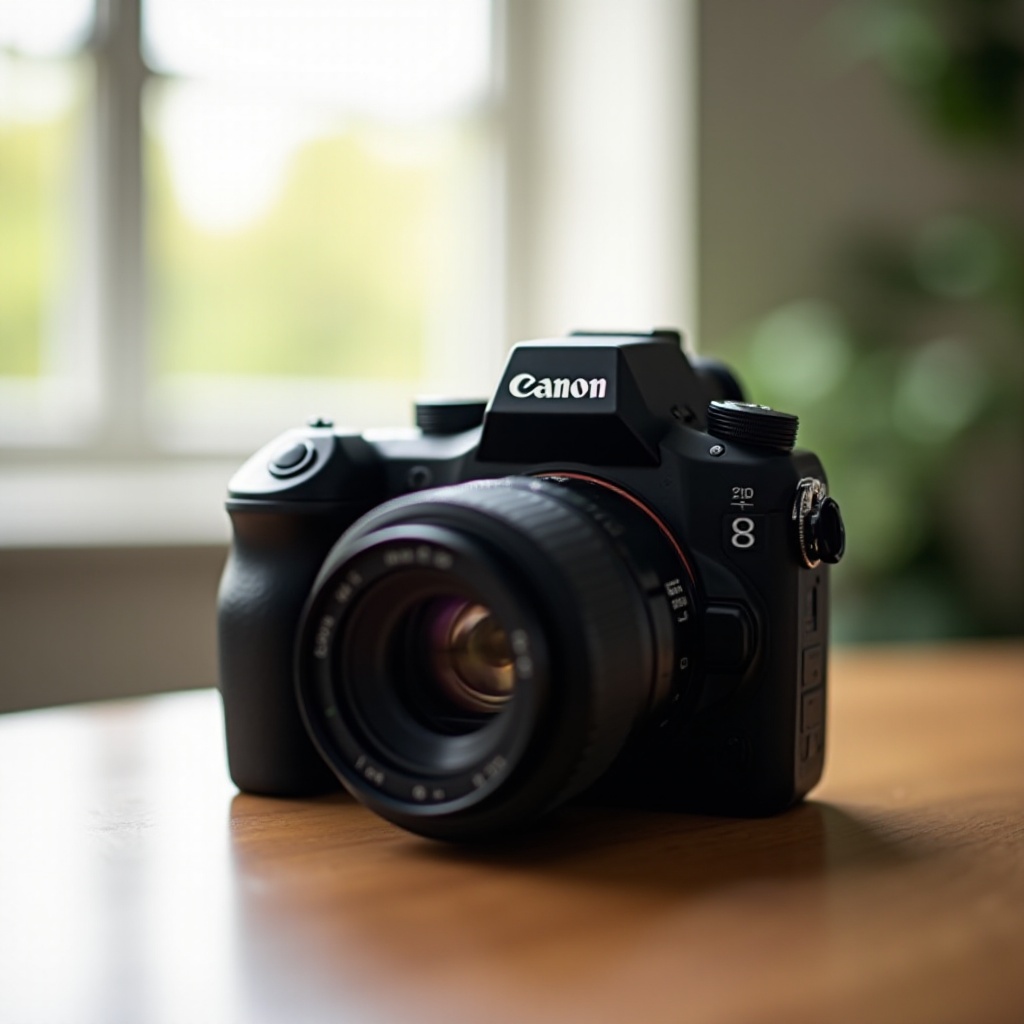
The Canon EOS Rebel T8i stands out for its quality and reliability among new photographers. It offers superb image quality with an APS-C sensor and user-friendly controls accompanied by a versatile kit lens. Its seamless connectivity and wide range of compatible lenses add to its appeal, though it is slightly bulkier than mirrorless counterparts.
Camera Model 2: Features, Pros, and Cons
For those inclined towards mirrorless systems, the Sony Alpha a6100 is exceptional. It excels in autofocus capabilities in a compact and lightweight body. Real-time tracking makes it ideal for capturing moving subjects. The menu system can initially be complex for beginners, but the plethora of advanced features ensures valuable exploration.
Camera Model 3: Features, Pros, and Cons
The Panasonic Lumix LX100 II is a perfect choice for simplicity lovers, offering a compact camera with a large sensor that performs well in low light. It is excellent for street photography and everyday use. Although the fixed lens might seem limiting, its design and portability compensate for this, making it a popular choice.
These recommendations cater to varied preferences and priorities, ensuring that each budding photographer can find an ideal model while upholding essential features.
Budget Considerations and Value
For beginners, staying within budget is a common concern. However, focusing on value rather than just the price guarantees quality results without overspending.
1. Set a realistic budget range that includes additional accessories such as lenses and memory cards.
2. Consider pre-owned or refurbished models, as they can offer significant savings on high-quality cameras.
3. Evaluate the feature set of each camera to ensure it meets your needs and offers true value for the price.
Approaching your purchase with these considerations in mind, you’ll find satisfaction in owning a camera that supports and grows with your photographic endeavors.
Tips for Choosing the Right Camera
When making your final decision, keep these insightful tips in mind:
1. Assess Personal Needs and Interests: Reflect on your favorite aspects of photography. Whether you’re drawn to fast action or still life and landscapes, your interests should guide your camera choice.
2. Trying Before Buying: Renting or borrowing different cameras allows for a tangible assessment of what suits you best. Many local stores and online services offer trial periods.
These considerations help you approach your camera purchase with assurance, ensuring that your choice becomes a trusted tool in your creative journey.
Conclusion
In conclusion, choosing the best camera for beginner photographers involves evaluating a balance of features, ease of use, and personal necessities. By focusing on essential features and exploring budget-friendly options, you can select a camera that inspires your creative goals and supports your growth as a passionate photographer. Embrace this opportunity, start capturing memorable moments, and enjoy the exciting adventure that lies ahead.
Frequently Asked Questions
What is the best camera brand for beginners?
Canon, Nikon, and Sony are highly regarded for beginner-friendly models that cater to diverse photography needs.
Do beginners need expensive cameras?
Not always. Many affordable cameras deliver excellent quality and essential features for beginners, emphasizing value over cost.
How do camera lenses affect photography?
Lenses impact photography significantly, offering varied focal lengths and apertures that influence composition and light handling.